

China Travel
Cheap Travel in China: Dehong’s Border Markets and Dai Ethnic Culture for Less
Title: Beyond the Tourist Trail: Uncovering Dehong’s Border Markets and Dai Culture on a Budget
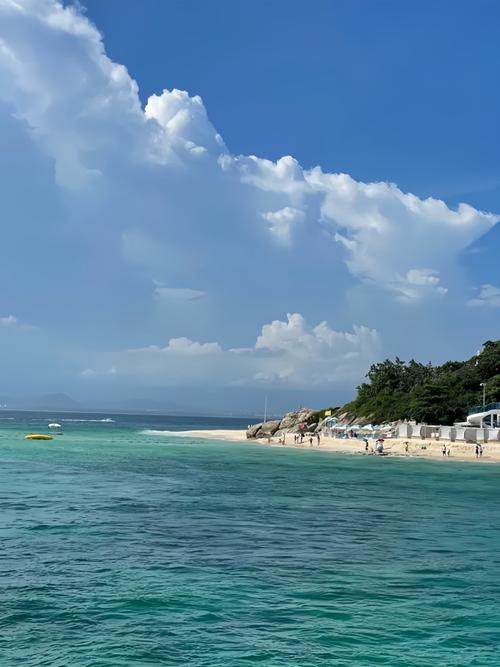
For many travelers, China conjures images of soaring skyscrapers in Shanghai, the ancient Great Wall snaking across northern mountains, or the roaring pandas of Sichuan. Yet, far from these well-trodden paths, in the southwesternmost corner of Yunnan province, lies a region that feels like a different world entirely. Dehong Dai and Jingpo Autonomous Prefecture, a lush, tropical corner of China bordering Myanmar, offers an intoxicating blend of vibrant ethnic culture, bustling border trade, and astonishing affordability. For the intrepid budget traveler, Dehong is not just a destination; it’s an immersive, sensory-rich experience that proves profound travel doesn’t require a profound budget.
The journey into Dehong itself is part of the adventure. The regional hub, Mangshi, is connected by flight from Kunming, but the truly budget-conscious will opt for the overnight sleeper bus. While not the most luxurious mode of transport, it’s a quintessential Chinese travel experience, offering a chance to watch the landscape dramatically transform from Kunming’s temperate plateau to a panorama of emerald-green rice paddies, banana plantations, and rolling hills shrouded in mist. Waking up to this view is a fitting introduction to the region's magic.
Upon arrival, the rhythm of life is immediately distinct. This is the heartland of the Dai people, cousins to the Tai groups of Thailand, Laos, and Myanmar. Their culture permeates everything, from the architecture to the pace of daily life. The most striking symbols are the magnificent Buddhist pagodas, not as grand as those in Tibet but possessing a unique, graceful beauty. The Menghuan Golden Pagoda in Mangshi, for instance, offers panoramic views of the city and surrounding valleys, and visiting requires only a modest entrance fee, if any at all. The true cultural immersion, however, is free. Simply wandering the streets, you’ll see Dai women in traditional, brightly colored sarongs, their hair adorned with fresh flowers, cycling to the market or stopping to pray at a small roadside shrine.
The epicenter of daily life—and the ultimate destination for any cheap travel enthusiast—is the market. Dehong’s markets are not mere tourist attractions; they are the vital organs of the community, pulsating with energy and authenticity.
In Mangshi, the main market operates daily. Here, for a few yuan, you can breakfast like a local. Skip the sterile hotel buffet and join the crowd at a street stall for a bowl of guo qiao mi xian (Crossing-the-Bridge Rice Noodles), a Yunnanese classic where you personally add thinly sliced meats, vegetables, and herbs to a scalding-hot broth. Or, try shou zhua fan, a deliciously messy pile of rice mixed with spices, meats, and vegetables, eaten, as the name suggests, with your hands. The cost is a fraction of what you’d pay in a westernized restaurant in Beijing.
But the markets truly come into their own at the border towns, most notably Ruili and the lesser-known Wanding. Ruili, just a stone’s throw from Myanmar, is a fascinating study in blurred boundaries. The city thrives on cross-border trade, and this is spectacularly evident at the Jiegao Border Trade Market. This sprawling complex is a treasure trove for curious shoppers. You can find everything from Burmese jade and teakwood carvings to cheap electronics, vibrant longyis (Burmese sarongs), and exotic snacks. Haggling is not just expected; it’s part of the fun. With a smile and a basic calculator for negotiating, you can secure unique souvenirs for a pittance. The atmosphere is a chaotic symphony of languages—Dai, Jingpo, Burmese, Mandarin, and local dialects all mingling in the humid air.
For an even more raw and authentic experience, visit one of the periodic "street days," where farmers and traders from both sides of the border converge. The ground is packed with vendors selling unusual fruits like the pungent durian or sweet mangosteen, wild herbs, live fish, traditional medicines, and household goods. It’s a photographer’s dream and a cultural anthropologist’s field study, all accessible for the price of a bus ticket and a freshly squeezed sugarcane juice (about $0.50).
Beyond the market hubbub, Dehong’s countryside offers serene and cheap escapes. Renting a bicycle for a day costs next to nothing and is the perfect way to explore the surrounding Dai villages. Cycling along dirt paths flanked by bamboo groves and betel nut palms, you’ll witness a way of life that has endured for centuries. You might see farmers tending to their water buffaloes or Dai women weaving intricate textiles on traditional looms outside their stilted bamboo houses. These villages, such as the one near the Mengbanaxi Reservoir, are welcoming, and the slow pace is a welcome antidote to modern rush.
No discussion of Dai culture is complete without mentioning their festivals. If your timing is right, the Water-Splashing Festival (usually mid-April) is an unforgettable experience. While bigger celebrations occur in Xishuangbanna, Dehong’s version is far less commercialized. For days, the streets become a joyous, watery battleground where everyone is fair game. Locals and visitors alike are drenched with water, a ritual symbolizing the washing away of misfortune and welcoming a new year. It is a riot of laughter, music, and community spirit, and participating costs nothing but the courage to get wet.
Accommodation and transport within Dehong solidify its status as a budget paradise. Charming family-run guesthouses (zhaodaisuo) offering clean, basic rooms with a fan can be found for under $10 a night. Local minibuses and shared taxis connect towns and villages for just a few dollars, and the tuktuk or sanlunche (three-wheeled motorcycle taxi) is the ubiquitous and affordable way to zip around within a city.
In an era of overtourism and inflated prices, Dehong stands as a testament to what travel should be about: genuine connection, cultural discovery, and accessible adventure. It’s a place where your money goes far, not just in purchasing power, but in buying you rich, unvarnished experiences. It’s in the taste of a strange new fruit from a border market stall, the sound of Dai language whispered in a ancient pagoda, and the cool shock of water during a festival blessing. Dehong doesn’t just offer cheap travel; it offers something far more valuable: a deep, authentic, and affordable glimpse into a captivating corner of Asia.
-
上一篇
Affordable China Destinations: Nujiang’s Grand Canyon and Minority Villages on a Budget
**HiddenGemsofSouthwestChina:ExploringNujiangGrandCanyonandMinorityVi
-
下一篇
Budget China: Tengchong’s Volcanic Parks and Hot Springs Without Overspending
**BudgetChina:Tengchong’sVolcanicParksandHotSpringsWithoutOverspending*
相关文章
- Budget China: Fuyang’s Ecological Parks and Rural Scenery for Under $35 a Day
- Cheap Travel in China: Bozhou’s Traditional Medicine Culture and Ancient Streets on a Budget
- Affordable China Destinations: Chizhou’s Jiuhua Mountain and Buddhist Sites on a Budget
- Budget-Friendly China: Huangshan City’s Villages and Tea Plantations on a Shoestring
- Cheap China Travel: Jingdezhen’s Porcelain Culture and Workshops for Less
- Affordable China Getaways: Yingtan’s Longhu Mountain and Taoist Heritage on a Budget
- Budget China: Nanchang’s Tengwang Pavilion and Gan River Night Views for Under $40 a Day
- Cheap Travel in China: Jiujiang’s Poyang Lake and Lushan Mountain Gateway on a Budget
- Affordable China Destinations: Yichun’s(Mingyue Mountain) and Hot Springs for Less
- Budget-Friendly China: Shangrao’s Sanqing Mountain and Ancient Villages on a Shoestring
发表评论
评论列表
- 这篇文章还没有收到评论,赶紧来抢沙发吧~